Advanced Nerve Support Backed by Science
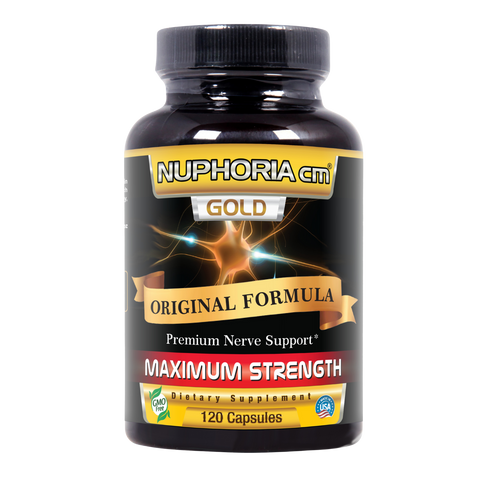
Introducing NUPHORIA cm® Gold Reserve
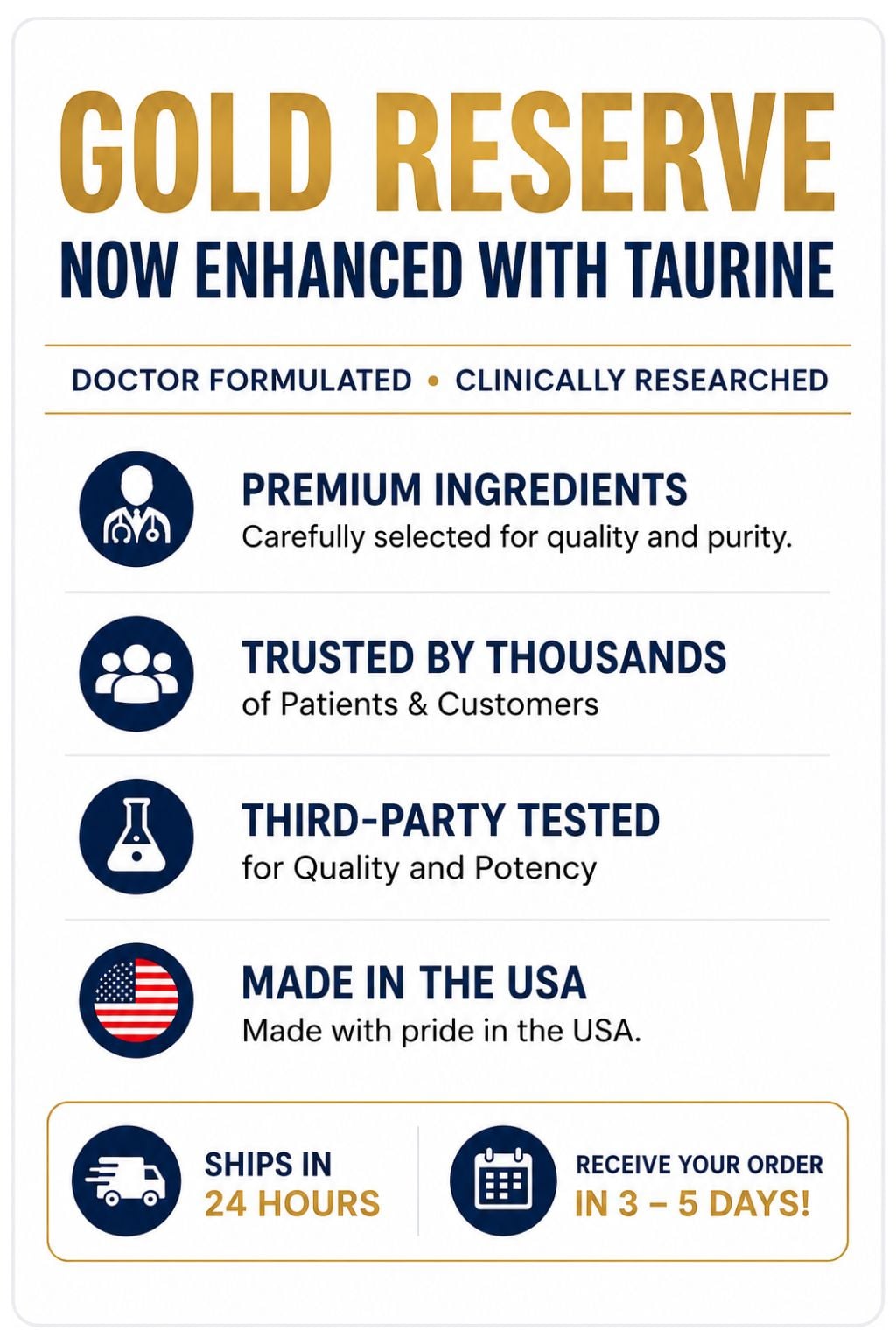
The trusted Gold formula—now enhanced with Taurine
NUPHORIA cm® Gold Reserve is the next evolution of our original Gold formula—keeping the premium nerve-support nutrients our customers know while making two purposeful refinements.
What’s new?
- 750 mg of Taurine replaces Lion’s Mane Mushroom
- Vitamin B6 has been reduced by 50%, from 80 mg to 40 mg per daily serving
Why Taurine?
Taurine is an excellent complement to the NUPHORIA cm® Gold Reserve nerve support formula, strengthening its comprehensive approach to supporting healthy nerves, antioxidant defenses, cellular function, and nerve signaling.*
Research has explored taurine’s roles in antioxidant defense, calcium regulation, cellular protection, and nervous-system function, making it a particularly strong fit for a comprehensive nerve-support formula.*
Why We Reduced Vitamin B6
We also reduced Pyridoxal-5'-Phosphate (active Vitamin B6) from 80 mg to 40 mg per daily serving. This more moderate amount maintains B6 as an important part of the formula while addressing the preference of customers who are more cautious about higher supplemental B6 intake.
Same great nerve support formula. Just got better. Now enhanced with Taurine.
Doctor Formulated for Comprehensive Nerve Support
NUPHORIA cm® Gold Reserve was developed by doctors with decades of experience caring for individuals with peripheral nerve concerns.
The formula combines premium, highly bioavailable nutrients including R-Alpha Lipoic Acid, Benfotiamine, Pyridoxal-5'-Phosphate, Methylcobalamin, 5-MTHF Folate, and Taurine to support healthy nerve function and overall nervous-system health.*
Designed to Support
- Healthy nerve function and signaling*
- Normal nerve regeneration processes*
- Healthy glucose metabolism*
- Cellular energy and mitochondrial function*
- Healthy nerve cell protection*
- Antioxidant defenses against oxidative stress*
Why Bioavailability Matters
Gold Reserve uses bioactive nutrient forms—including Methylcobalamin (Vitamin B12), Pyridoxal-5'-Phosphate (Vitamin B6), and 5-MTHF Folate—that can be readily utilized by the body.*
5-MTHF also provides folate in its biologically active form, avoiding the additional conversion required by some other forms of folate.*
Why Gold Reserve Is Different
- Enhanced with 750 mg Taurine
- 50% less Vitamin B6 than the previous formula
- Premium bioactive ingredients
- Doctor formulated
- Comprehensive nerve support
- Third-party tested for quality
- Made in the USA
- Non-GMO
- No fillers or artificial ingredients
Everything Your Nerves Need. Nothing They Don't.
9 Premium Ingredients. One Powerful Formula.
NUPHORIA cm® Gold combines nine carefully selected, highly bioavailable ingredients designed to support healthy nerves from multiple directions—including nerve function, healthy glucose metabolism, circulation, mitochondrial energy production, cognitive health, and antioxidant protection.*
Designed to Support
✅ Healthy Nerve Function*
✅ Healthy Nerve Cell Communication*
✅ Healthy Glucose Metabolism*
✅ Healthy Circulation*
✅ Mitochondrial Energy Production*
✅ Cognitive Function & Memory*
✅ Antioxidant Protection*
✅ A Healthy Inflammatory Response*
🧠 Taurine
750 mg
Supports:
- Healthy nerve cell protection*
- Antioxidant defenses against oxidative stress*
- Healthy nerve signaling and cellular function*
⚡ R-Alpha Lipoic Acid
600 mg
Supports:
- Healthy nerve function*
- Powerful antioxidant protection*
- Healthy glucose metabolism*
- Mitochondrial energy production*
- Healthy circulation*
🛡 Benfotiamine (Vitamin B1)
500 mg
Supports:
- Healthy nerve function*
- Protection against Advanced Glycation End Products (AGEs)*
- Healthy glucose metabolism*
🔋 Bioactive B Vitamins
Pyridoxal-5'-Phosphate (Active Vitamin B6)
40 mg
Supports:
- Healthy nerve signaling*
- Neurotransmitter production*
- Healthy myelin structure*
- Normal energy metabolism*
Methylcobalamin (Active Vitamin B12)
3,000 mcg
Supports:
- Healthy nerve function*
- Healthy myelin*
- Normal energy production*
- Healthy red blood cell formation*
Folate (as 5-MTHF)
666 mcg DFE
Supports:
- Healthy nerve and brain function*
- Healthy methylation pathways*
- DNA synthesis and healthy cell division*
- Cardiovascular health*
⚙️ Essential Trace Minerals
Calcium Citrate • Manganese • Chromium
Support:
- Healthy nerve signaling*
- Healthy muscle function*
- Healthy glucose metabolism*
- Antioxidant enzyme activity*
- Normal energy production*
Why Bioactive Forms Matter
Many supplements use nutrient forms that require multiple conversion steps before your body can use them.
NUPHORIA cm® Gold features bioactive forms whenever possible, including:
- ✔ R-Alpha Lipoic Acid
- ✔ Benfotiamine
- ✔ Pyridoxal-5'-Phosphate (Active B6)
- ✔ Methylcobalamin (Active B12)
- ✔ 5-MTHF Folate
These premium forms are selected to help maximize absorption and utilization by the body.*
Our Clean Formula Promise
✔ No Fillers
✔ No Synthetic Ingredients
✔ Non-GMO
✔ Made in the USA
✔ Third-Party Tested for Quality & Purity
These statements have not been evaluated by the Food and Drug Administration. This product is not intended to diagnose, treat, cure, or prevent any disease.
Numerous Clinical Studies Show Effectiveness Of NUPHORIA cm Gold
There have been numerous studies over the past several years that have clearly shown the efficacy or effectiveness of the ingredients found in NUPHORIA cm Gold. We are happy to share some of these studies with you for your learning experience.
ALPHA LIPOIC ACID CLINICAL STUDIES
Show
Hide
I.R-Alpha Lipoic Acid Improves Nerve Blood Flow and Nerve Conduction
Diabetes Care 1995 Aug; 18(8): 1160-1167. https://doi.org/10.2337/diacare.18.8.1160
Lipoic Acid Improves Nerve Blood Flow, Reduces Oxidative Stress, and Improves Distal Nerve Conduction in Experimental Diabetic Neuropathy
Masaaki Nagamatsu, MD, Kim K Nickander, James D Schmelzer, Angel Raya, MD, PHD, Debra A Wittrock, Hans Tritschler, PHD and Phillip A Low, MD
Abstract
OBJECTIVE
To determine whether lipoic acid (LA) will reduce oxidative stress in diabetic peripheral nerves and improve neuropathy.
RESEARCH DESIGN AND METHODS
We used the model of streptozotocin-induced diabetic neuropathy (SDN) and evaluated the efficacy of LA supplementation in improving nerve blood flow (NBF), electrophysiology, and indexes of oxidative stress in peripheral nerves affected by SDN, at 1 month after onset of diabetes and in age-matched control rats. LA, in doses of 20, 50, and 100 mg/kg, was administered intraperitoneally five times per week after onset of diabetes.
RESULTS
NBF in SDN was reduced by 50% LA did not affect the NBF of normal nerves but improved that of SDN in a dose-dependent manner. After 1 month of treatment, LA-supplemented rats (100 mg/kg) exhibited normal NBF. The most sensitive and reliable indicator of oxidative stress was reduction in reduced glutathione, which was significantly reduced in streptozotocin-induced diabetic and alpha-tocopherol-deficient nerves; it was improved in a dose-dependent manner in LA-supplemented rats. The conduction velocity of the digital nerve was reduced in SDN and was significantly improved by LA.
CONCLUSIONS
These studies suggest that LA improves SDN, in significant part by reducing the effects of oxidative stress. The drug may have potential in the treatment of human diabetic neuropathy.
II.Oral Treatment with Alpha Lipoic Acid Improves Diabetic Polyneuropathy
Diabetes Care. 2006 Nov;29(11):2365-70.
Oral treatment with alpha-lipoic acid improves symptomatic diabetic polyneuropathy: the SYDNEY 2 trial.
Ziegler D1, Ametov A, Barinov A, Dyck PJ, Gurieva I, Low PA, Munzel U, Yakhno N, Raz I, Novosadova M, Maus J, Samigullin R.
Abstract
OBJECTIVE:
The aim of this trial was to evaluate the effects of alpha-lipoic acid (ALA) on positive sensory symptoms and neuropathic deficits in diabetic patients with distal symmetric polyneuropathy (DSP).
RESEARCH DESIGN AND METHODS:
In this multicenter, randomized, double-blind, placebo-controlled trial, 181 diabetic patients in Russia and Israel received once-daily oral doses of 600 mg (n = 45) (ALA600), 1,200 mg (n = 47) (ALA1200), and 1,800 mg (ALA1800) of ALA (n = 46) or placebo (n = 43) for 5 weeks after a 1-week placebo run-in period. The primary outcome measure was the change from baseline of the Total Symptom Score (TSS), including stabbing pain, burning pain, paresthesia, and asleep numbness of the feet. Secondary end points included individual symptoms of TSS, Neuropathy Symptoms and Change (NSC) score, Neuropathy Impairment Score (NIS), and patients' global assessment of efficacy.
RESULTS:
Mean TSS did not differ significantly at baseline among the treatment groups and on average decreased by 4.9 points (51%) in ALA600, 4.5 (48%) in ALA1200, and 4.7 (52%) in ALA1800 compared with 2.9 points (32%) in the placebo group (all P < 0.05 vs. placebo). The corresponding response rates (>/=50% reduction in TSS) were 62, 50, 56, and 26%, respectively. Significant improvements favoring all three ALA groups were also noted for stabbing and burning pain, the NSC score, and the patients' global assessment of efficacy. The NIS was numericallyreduced. Safety analysis showed a dose-dependent increase in nausea, vomiting, and vertigo.
CONCLUSIONS:
Oral treatment with ALA for 5 weeks improved neuropathic symptoms and deficits in patients with DSP. An oral dose of 600 mg once daily appears to provide the optimum risk-to-benefit ratio.
TRIAL REGISTRATION:
ClinicalTrials.gov NCT00328601.
III.Alpha Lipoic Acid Decrease Peripheral Neuropathy Symptoms
Int J Endocrinol. 2012; 2012: 456279. Published online 2012 Jan 26. doi: 10.1155/2012/456279
Alpha Lipoic Acid for Symptomatic Peripheral Neuropathy in Patients with Diabetes: A Meta-Analysis of Randomized Controlled Trials
Gerritje S. Mijnhout, Boudewijn J. Kollen, AlaaAlkhalaf, NannoKleefstra, and Henk J. G. Bilo
Based on the four level 1b randomized, placebo-controlled studies included here, there is evidence to support that alpha lipoic acid causes a significant and clinically relevant decrease in neuropathic pain when administered for a period of three weeks at a dosage of 600 mg per day (grade of recommendation
IV.Alpha Lipoic Acid Prevents Kidney Injury and Damage
J Am SocNephrol. 2002 Jan;13(1):108-16.
Alpha-lipoic acid attenuates hyperglycemia and prevents glomerular mesangial matrix expansion in diabetes.
Melhem MF, Craven PA, Liachenko J, et al. Alpha-lipoic acid attenuates hyperglycemia and prevents glomerular mesangial matrix expansion in diabetes. J Am SocNephrol. 2002;13:108-116.
Abstract
Previous studies demonstrated that 2 mo of dietary supplementation with alpha-lipoic acid (LA) prevented early glomerular injury in non-insulin-treated streptozotocin diabetic rats (D). The present study examined the effects of chronic LA supplementation (30 mg/kg body wt per d) on nephropathy in D after 7 mo of diabetes. Compared with control rats, D developed increased urinary excretion of albumin and transforming growth factor beta, renal insufficiency, glomerular mesangial matrix expansion, and glomerulosclerosis in association with depletion of glutathione and accumulation of malondialdehyde in renal cortex. LA prevented or ameliorated all of these changes in D. Because chronic LA supplementation also attenuated hyperglycemia in D after 3 mo, its effects on renal injury were compared with treatment of rats with sufficient insulin to maintain a level of glycemic control for the entire 7-mo period (D-INS) equivalent to that observed with LA during the final 4 mo. Despite superior longitudinal glycemic control in D-INS, urinary excretion of albumin and transforming growth factor beta, glomerular mesangial matrix expansion, the extent of glomerulosclerosis, and renal cortical malondialdehyde content were all significantly greater, whereas cortical glutathione content was lower than corresponding values in D given LA. Thus, the renoprotective effects of LA in D were not attributable to improved glycemic control alone but also likely reflected its antioxidant activity. The combined antioxidant and hypoglycemic actions of LA both may contribute to its utility in preventing renal injury and other complications of diabetes.
BENFOTIAMINE (B1) CLINICAL STUDIES
Show
Hide
I.Effectiveness of Benfotiamine for Painful Diabetic Neuropathy
Arzneimittelforschung. 1999 Mar;49(3):220-4.
Effectiveness of different benfotiamine dosage regimens in the treatment of painful diabetic neuropathy.
Winkler G1, Pál B, Nagybéganyi E, Ory I, Porochnavec M, Kempler P.
Abstract
The therapeutic effectiveness of a benfotiamine (CAS 22457-89-2)-vitamin B combination (Milgamma-N), administered in high (4 x 2 capsules/day, = 320 mg benfotiamine/day) and medium doses (3 x 1 capsules/day), was compared to a monotherapy with benfotiamine (Benfogamma) (3 x 1 tablets/day, = 150 mg benfotiamine/day) in diabetic patients suffering from painful peripheral diabetic neuropathy (DNP). In a 6-week open clinical trial, 36 patients (aged 40 to 70 yrs) having acceptable metabolic control (HbA1c < 8.0%) were randomly assigned to three groups, each of them comprising 12 participants. Neuropathy was assessed by five parameters: the pain sensation (evaluated by a modified analogue visual scale), the vibration sensation (measured with a tuning fork using the Riedel-Seyfert method) and the current perception threshold (CPT) on the peroneal nerve at 3 frequencies: 5, 250 and 2000 Hz). Parameters were registered at the beginning of the study and at the end of the 3rd and 6th week of therapy. An overall bneneficial therapeutic effect on the neuropathy status was observed in all three groups during the study, and a significant improvement in most of the parameters studied appeared already at the 3rd week of therapy (p < 0.01). The greatest change occurred in the group of patients receiving the high dose of benfotiamine (p < 0.01 and 0.05, resp., compared to the othr groups). Metabolic control did not change over the study. It is concluded that benfotiamine is most effective in large doses, although even in smaller daily dosages, either in combination or in monotherapy, it is effective.
II.Benfotiamine’s Role In The Treatment of Diabetic Polyneuropathy
ExpClin Endocrinol Diabetes. 1996;104(4):311-6.
A benfotiamine-vitamin B combination in treatment of diabetic polyneuropathy.
Stracke H1, Lindemann A, Federlin K.
Abstract
In a double-blind, randomized, controlled study, the effectiveness of treatment with a combination of Benfotiamine (an Allithiamine, a lipid-soluble derivative of vitamin B1 with high bioavailability) plus vitamin B6/B12 on objective parameters of neuropathy was studied over a period of 12 weeks on 24 diabetic patients with diabetic polyneuropathy. The results showed a significant improvement (p = 0.006) of nerve conduction velocity in the peroneal nerve and a statistical trend toward improvement of the vibration perception threshold. Long-term observation of 9 patients with verum over a period of 9 months support the results. Therapy-specific adverse effects were not seen. The results of this double-blind investigation, of the long-term observation and of the reports in the literature support the contention that the neurotropic benfotiamine-vitamin B combination represents a starting point in the treatment of diabetic polyneuropathy.
III.Benfotiamine’sBioavailability
Int J ClinPharmacolTher. 1996 Feb;34(2):47-50.
Pharmacokinetics of thiamine derivatives especially of benfotiamine.
Abstract
Pharmacokinetic data of orally administered lipid-soluble thiamine analogues like benfotiamine are reviewed and assessed. It is quite clear that benfotiamine is absorbed much better than water-soluble thiamine salts: maximum plasma levels of thiamine are about 5 times higher after benfotiamine, the bioavailability is at maximum about 3.6 times as high as that of thiamine hydrochloride and better than other lipophilic thiamine derivates. The physiological activity (alphaETK) increased only after benfotiamine was given. Due to its excellent pharmacokinetic profile benfotiamine should be preferred in treatment of relevant indications. Loew D.
IV.Benfotiamine Prevents Diabetic Retinopathy
Nat Med. 2003 Mar;9(3):294-9. Epub 2003 Feb 18.
Benfotiamine blocks three major pathways of hyperglycemic damage and prevents experimental diabetic retinopathy.
Hammes HP1, Du X, Edelstein D, Taguchi T, Matsumura T, Ju Q, Lin J, Bierhaus A, Nawroth P, Hannak D, Neumaier M, Bergfeld R, Giardino I, Brownlee M.
Abstract
Three of the major biochemical pathways implicated in the pathogenesis of hyperglycemia induced vascular damage (the hexosamine pathway, the advanced glycation end product (AGE) formation pathway and the diacylglycerol (DAG)-protein kinase C (PKC) pathway) are activated by increased availability of the glycolytic metabolites glyceraldehyde-3-phosphate and fructose-6-phosphate. We have discovered that the lipid-soluble thiamine derivative benfotiamine can inhibit these three pathways, as well as hyperglycemia-associated NF-kappaB activation, by activating the pentose phosphate pathway enzyme transketolase, which converts glyceraldehyde-3-phosphate and fructose-6-phosphate into pentose-5-phosphates and other sugars. In retinas of diabetic animals, benfotiamine treatment inhibited these three pathways and NF-kappaB activation by activating transketolase, and also prevented experimental diabetic retinopathy. The ability of benfotiamine to inhibit three major pathways simultaneously might be clinically useful in preventing the development and progression of diabetic complications.
METHYLCOBALAMIN (B12) CLINICAL STUDIES
Show
Hide
I.Effects Of B12 On Diabetic Neuropathy
ClinNeurolNeurosurg. 1992;94(2):105-11.
Effects of methylcobalamin on diabetic neuropathy.
Yaqub BA1, Siddique A, Sulimani R.
Abstract
We studied the clinical and neurophysiological effects of methylcobalamin on patients with diabetic neuropathy. In a double-blind study, the active group showed statistical improvement in the somatic and autonomic symptoms with regression of signs of diabetic neuropathy. Motor and sensory nerve conduction studies showed no statistical improvement after 4 months. The drug was easily tolerated by the patients and no side effects were encountered.
II.Methylcobalamin (B12) Shown To Promote Nerve Regeneration
J Neurol Sci. 1994 Apr;122(2):140-3.
Ultra-high dose methylcobalamin promotes nerve regeneration in experimental acrylamide neuropathy.
Watanabe T1, Kaji R, Oka N, Bara W, Kimura J.
Abstract
Despite intensive searches for therapeutic agents, few substances have been convincingly shown to enhance nerve regeneration in patients with peripheral neuropathies. Recent biochemical evidence suggests that an ultra-high dose of methylcobalamin (methyl-B12) may up-regulate gene transcription and thereby protein synthesis. We examined the effects of ultra-high dose of methyl-B12 on the rate of nerve regeneration in rats with acrylamide neuropathy, using the amplitudes of compound muscle action potentials (CMAPs) after tibial nerve stimulation as an index of the number of regenerating motor fibers. After intoxication with acrylamide, all the rats showed equally decreased CMAP amplitudes. The animals were then divided into 3 groups; rats treated with ultra-high (500 micrograms/kg body weight, intraperitoneally) and low (50 micrograms/kg) doses of methyl-B12, and saline-treated control rats. Those treated with ultra-high dose showed significantly faster CMAP recovery than saline-treated control rats, whereas the low-dose group showed no difference from the control. Morphometric analysis revealed a similar difference in fiber density between these groups. Ultra-high doses of methyl-B12 may be of clinical use for patients with peripheral neuropathies.
III.Methyl-B12 Promotes Regeneration Of Motor Nerve Terminals
Neurosci Lett. 1994 Mar 28;170(1):195-7.
Methylcobalamin (methyl-B12) promotes regeneration of motor nerve terminals degenerating in anterior gracile muscle of gracile axonal dystrophy (GAD) mutant mouse.
Yamazaki K1, Oda K, Endo C, Kikuchi T, Wakabayashi T.
Abstract
We examined the effects of methylcobalamin (methyl-B12, mecobalamin) on degeneration of motor nerve terminals in the anterior gracile muscle of gracile axonal dystrophy (GAD) mutant mice. GAD mice received orally methyl-B12 (1 mg/kg body wt/day) from the 40th day after birth for 25 days. In the distal endplate zone of the muscle, although most terminals were degenerated in both the untreated and methyl-B12-treated GAD mice, sprouts were more frequently observed in the latter. In the proximal endplate zone, where few degenerated terminals were seen in both groups of the mice, the perimeter of the terminals was increased and the area of the terminals was decreased significantly in the methyl-B12-treated GAD mice. These findings indicate that methyl-B12 promotes regeneration of degenerating nerve terminals in GAD mice.
IV.Methylcobalamin Useful In Treatment Of Diabetic Neuropathy
ClinTher. 1987;9(2):183-92.
Clinical usefulness of intrathecal injection of methylcobalamin in patients with diabetic neuropathy.
Ide H, Fujiya S, Asanuma Y, Tsuji M, Sakai H, Agishi Y.
Abstract
Seven men and four women with symptomatic diabetic neuropathy were treated with methylcobalamin (2,500 micrograms in 10 ml of saline) injected intrathecally. Treatment was begun when patients had good metabolic control, as determined by measurements of plasma glucose and hemoglobin, and was repeated several times with a one-month interval between injections. Three patients were re-treated one year after the last intrathecal injection. Symptoms in the legs, such as paresthesia, burning pains, and heaviness, dramatically improved. The effect appeared within a few hours to one week and lasted from several months to four years. The mean peroneal motor-nerve conduction velocity did not change significantly. The mean (+/- SD) concentration of methylcobalamin in spinal fluid was 114 +/- 32 pg/ml before intrathecal injection (n = 5) and 4,752 +/- 2,504 pg/ml one month after intrathecal methylcobalamin treatment (n = 11). Methylcobalamin caused no side effects with respect to subjective symptoms or characteristics of spinal fluid. These findings suggest that a high concentration of methylcobalamin in spinal fluid is highly effective and safe for treating the symptoms of diabetic neuropathy.
Suggested Use
Take 2 capsules with breakfast and 2 capsules with lunch or your mid-day meal, preferably with food and a full glass of water.
For individuals who are sensitive to B vitamins, we recommend taking your second serving before 3:00 PM, as B vitamins may be stimulating for some people.
For best results, use consistently as part of your daily wellness routine.
Who May Benefit from NUPHORIA cm® Gold
NUPHORIA cm® Gold is formulated to provide advanced nutritional support for healthy nerves, healthy glucose metabolism, circulation, and cellular energy production.*
It may be an excellent choice for adults who want to support:
- Healthy peripheral nerve function*
- Healthy nerve cell communication*
- Healthy circulation*
- Healthy blood sugar metabolism*
- Cellular energy production*
- Cognitive function and healthy aging*
- Overall nervous system wellness*
It may be especially beneficial for individuals who:
- Experience occasional numbness, tingling, burning, or discomfort in the hands or feet*
- Want to support healthy glucose metabolism*
- Want to maintain healthy nerve function as they age*
- Desire premium nutritional support for long-term nerve health*
Important Information
NUPHORIA cm® Gold is generally well tolerated and may be used alongside most nutritional programs and prescription medications. If you are pregnant, nursing, have a medical condition, or are taking prescription medications, consult your healthcare provider before use.
Thyroid Medication
If you take Levothyroxine or another thyroid medication, take NUPHORIA cm® Gold at least four (4) hours after your thyroid medication, unless otherwise directed by your healthcare provider.
Blood Sugar Monitoring
Individuals monitoring their blood glucose should continue to check their levels regularly and work closely with their healthcare provider, particularly if taking medications that affect blood sugar.
Why Consistency Matters
Healthy nerves recover gradually, and nutritional support is most effective when used consistently over time.
Unlike products designed to temporarily mask symptoms, NUPHORIA cm® Gold provides premium nutrients that help support healthy nerve function, circulation, glucose metabolism, and cellular energy production as part of your daily wellness routine.*
Consistent daily use, combined with healthy lifestyle habits, provides the best opportunity to support long-term nerve health.*
Long-Term Use
Many of the nutrients in NUPHORIA cm® Gold work by supporting your body's normal biological processes. Because these processes occur gradually, consistent daily use is recommended.
For optimal nutritional support, many customers choose to take NUPHORIA cm® Gold daily for 12 months or longer.*
After the first year, many continue with a maintenance serving of 2 capsules daily to help support ongoing nerve health and overall wellness.*